
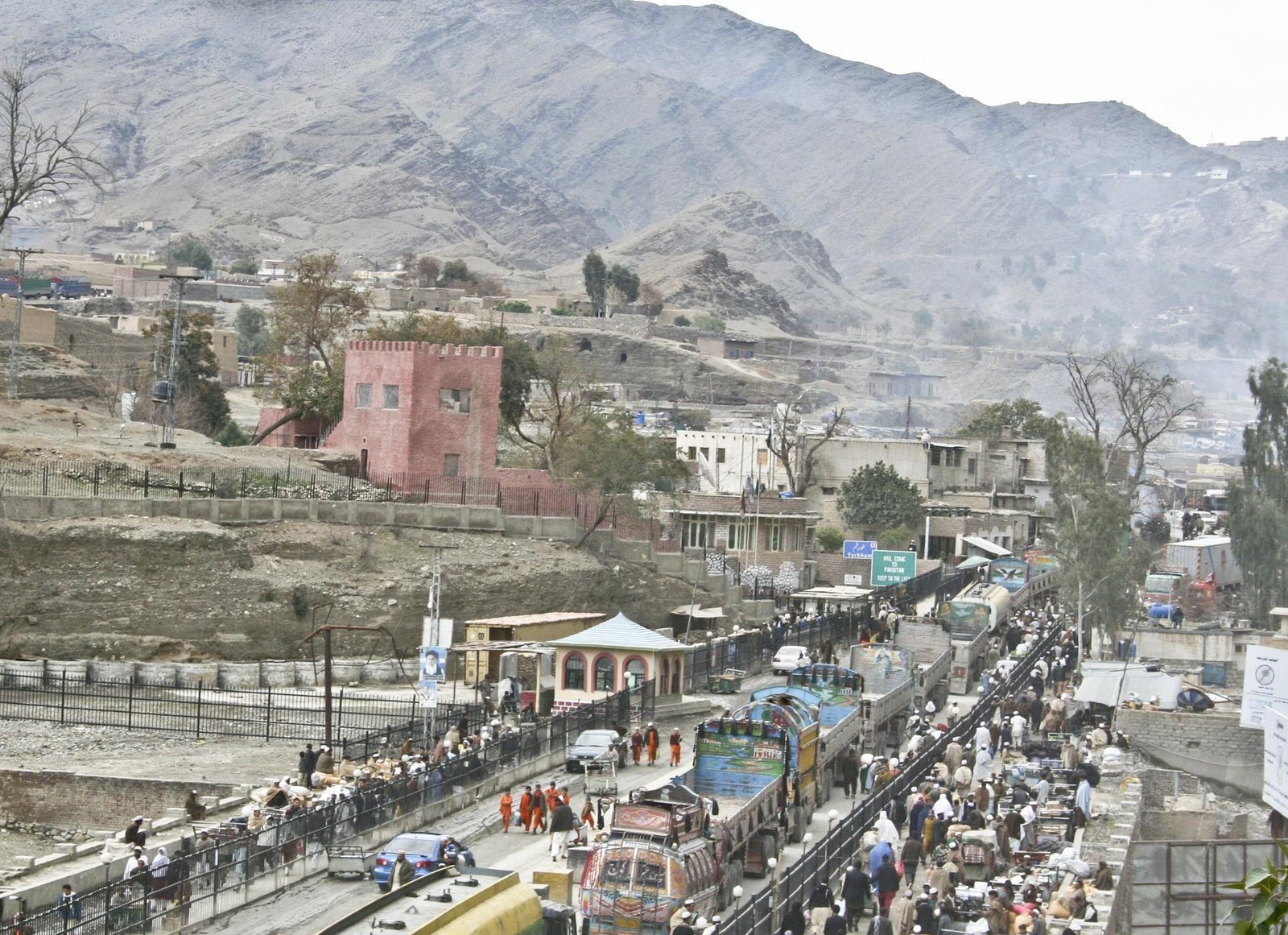
Nearly a year of closed main Pakistan-Afghanistan border crossings has caused heavy economic losses, disrupted exports and left thousands of workers without jobs on both sides. The main trade crossings were shut in October 2025 after clashes and rising tensions, and traders say they see little indication that the routes will reopen soon.
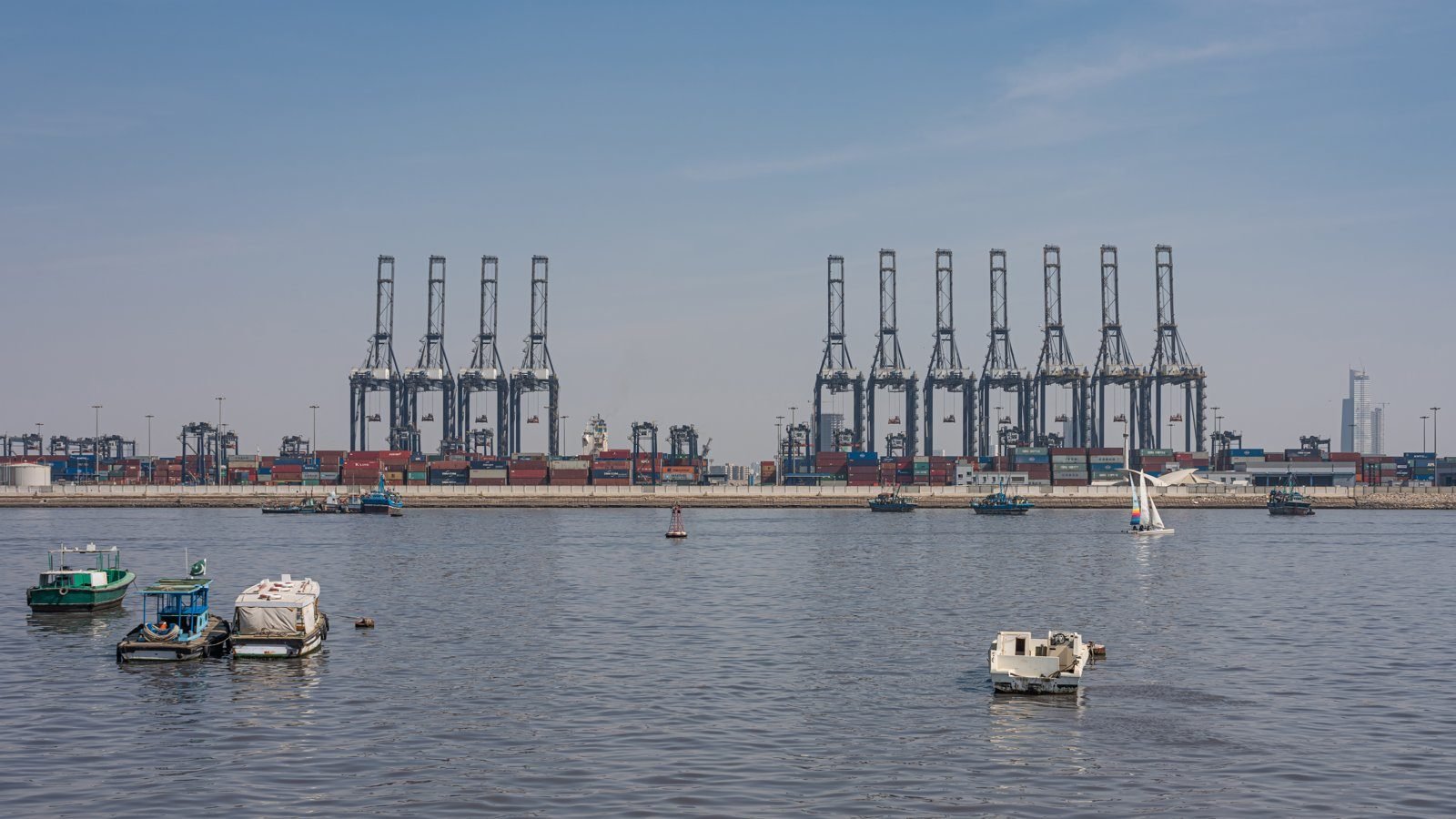
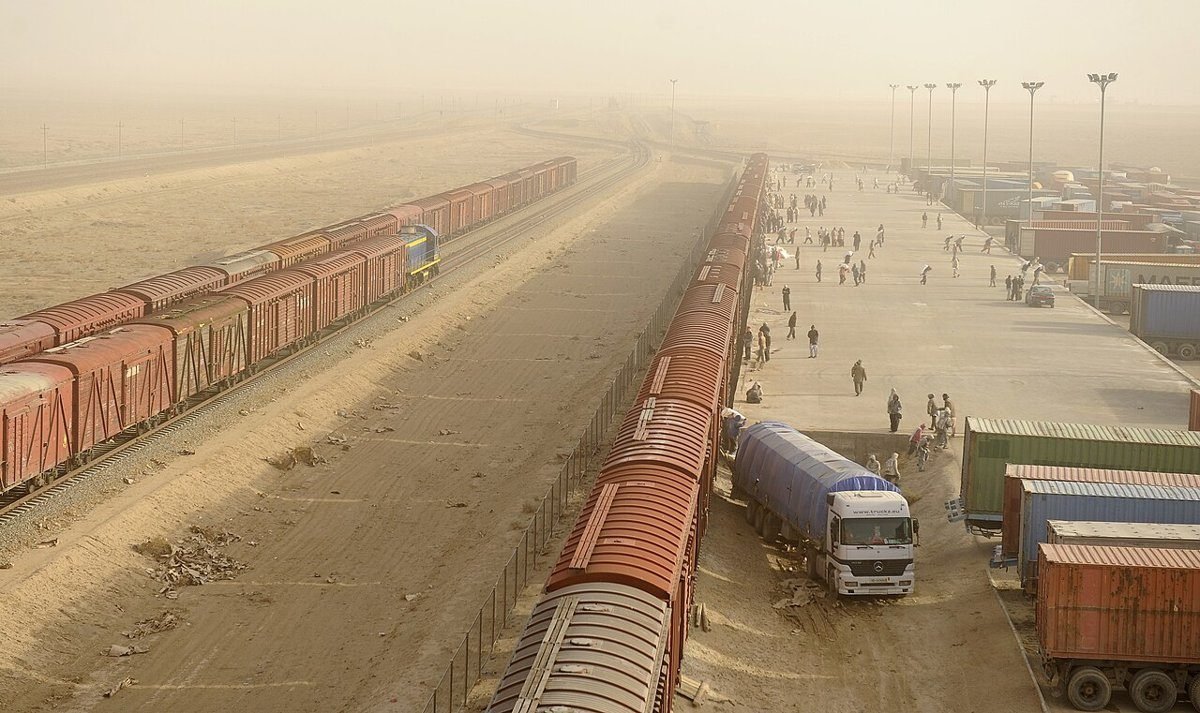
Khan Jan Alokozay, head of the Afghanistan-Pakistan Joint Chamber of Commerce, said transporting a container from Karachi to Afghanistan previously cost about 2,000 dollars and took around 10 days. Through alternative routes the cost has risen to as much as 10,000 dollars, with delivery taking up to two months.
The disruption has hit Afghanistan's fresh and dried fruit exports especially hard. Some products are now flown to India, while smaller volumes move through Iran and Central Asia, but higher freight costs have cut profits and made it harder for farmers to reach foreign markets. Shahid Hussain, a former head of the joint chamber in Peshawar, said border communities — including drivers, daily-wage labourers and customs agents — had suffered extensive job losses.
Transit figures underline the scale of the decline: in the 2025-26 financial year only 11,592 Afghan transit containers, worth about 367 million dollars, passed through the Pakistan route — far below earlier volumes. Bilateral trade also fell from about 1.3 billion dollars to roughly 358 million dollars. Traders say alternative corridors are more expensive and slower, and that prolonged closure will deepen losses for farmers, exporters and transport workers.


Comments (0)
No comments yet. Be the first to comment.